
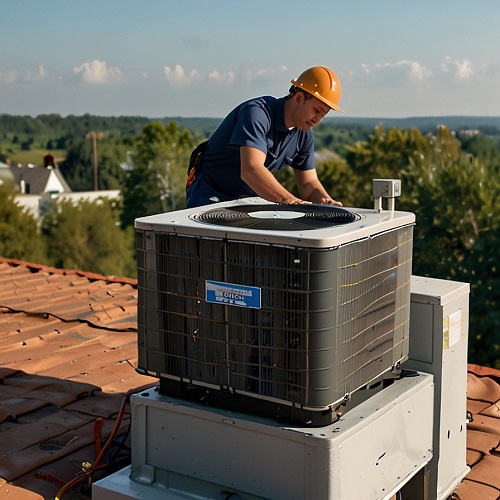
In Dallas, a functioning air conditioner isn’t a luxury—it’s a basic survival tool. With summer temperatures routinely blasting past the triple-digit mark, your heating, ventilation, and air conditioning (HVAC) system works harder than almost anywhere else in the country.
But many homeowners make the mistake of waiting for their system to break down before calling a professional. To keep your home comfortable and avoid catastrophic failures, proactive maintenance is essential. Here is exactly how often you should service your system in North Texas, and why our unique climate demands it.
The Golden Rule: Twice a Year
As a standard benchmark, you should have your HVAC system professionally serviced twice per year.
Think of your HVAC system like a car: you wouldn’t drive 20,000 miles without an oil change, and you shouldn’t run your climate control year-round without a tune-up. Because an HVAC system handles both cooling and heating, it requires two distinct types of inspection before its peak seasons hit.
The Seasonal Maintenance Schedule
To get the most out of your maintenance, timing is everything. You want to catch potential issues before you are forced to rely on the system.
-
Spring (Air Conditioning Focus): Schedule this between March and May. The technician will focus heavily on the cooling components—checking refrigerant levels, cleaning the condenser coils, inspecting the compressor, and ensuring the condensate drain line is clear of algae and debris.
-
Fall (Heating Focus): Schedule this between September and November. Even though Dallas winters are relatively mild, the freezing snaps can be brutal. This service focuses on safety and heating efficiency, including inspecting the heat exchanger for cracks (which can leak dangerous carbon monoxide), testing gas connections, and checking the furnace burners.
Why the Texas Heat Requires Extra Attention
While twice-a-year maintenance is a solid rule of thumb nationwide, the extreme North Texas climate makes it absolutely non-negotiable for Dallas residents. Here is why the local environment pushes your system to its absolute limits:
1. Near-Continuous Operation
In cooler parts of the country, an AC unit might run for a few hours in the afternoon. In a Dallas July or August, your system might run nearly continuously for 12 to 18 hours a day to fight off the relentless humidity and 105°F heat. This extreme workload accelerates the mechanical wear and tear on motors, belts, and electrical contacts.
2. High Humidity and Microbial Growth
Dallas summers aren’t just hot; they are incredibly muggy. Your AC removes thousands of gallons of moisture from your indoor air over a single season. If the condensate drain lines aren’t flushed regularly during spring maintenance, the warm, damp environment creates a perfect breeding ground for algae and mold. A clogged drain line can cause water to back up, leading to severe ceiling and drywall damage.
3. Dust, Pollen, and Cottonwood
Springtime in Dallas brings heavy coats of pollen, dust storms from West Texas, and fluffy seeds from cottonwood trees. These airborne particles quickly coat the fins of your outdoor condenser unit. A blanket of grime insulates the coils, trapping heat inside the system and forcing the compressor to work dangerously hard to cool your home.
The Cost of Neglect vs. Maintenance
Waiting for your system to fail before servicing it is a financial trap. A standard preventative maintenance visit typically costs a fraction of an emergency repair. Furthermore, neglected systems lose roughly 5% of their efficiency every year they go without service, meaning you’ll pay significantly more on your monthly TXU or Atmos Energy bills just to keep the house at the same temperature.
What You Can Do Between Professional Visits
While a certified technician needs to handle the technical inspections, you play a vital role in keeping your system running smoothly between professional visits:
-
Change Filters Every 30 to 90 Days: A clogged filter is the number one cause of weak airflow and frozen evaporator coils. Check it monthly during the summer.
-
Clear the Outdoor Unit: Keep a two-foot clearance zone around your outdoor condenser. Trim back bushes, weeds, and long grass to ensure maximum airflow.
-
Monitor System Behavior: Keep an eye out for the red flags of early failure, such as strange clanking noises, weak airflow, or sudden spikes in your electric bill.
By sticking to a strict bi-annual maintenance routine, you protect your investment, extend the lifespan of your equipment by years, and ensure your home remains a cool sanctuary when the Texas summer is at its worst.
Don´t wait until your HVAC needs maintenance or worse it fails, at HVAC Repair Dallas, we provide with the best HVAC Repair Service Providers in Dallas, TX and nearby areas. Find Yours Now
HVAC Repair Dallas
Other Articles That May Interest You:
10 Warning Signs Your Air Conditioner Is About to Fail
How Often Should You Service Your HVAC System in Dallas?
Why is My AC Blowing Hot Air? Posible Causes You Should Be Aware of
The HVAC Maintenance Checklist Every Dallas Homeowner Should Follow
Why Changing Your HVAC System Air Filter Could Save You Thousands in Repairs
The Most Common HVAC Problems Homeowners Ignore
How to Extend the Life of Your Air Conditioning System by 5+ Years
DIY HVAC Maintenance Tasks You Can Safely Do Yourself
What Happens If You Skip Annual HVAC Maintenance?
Why Is My Electric Bill So High During Dallas Summer?
15 Ways to Reduce Cooling Costs During a Dallas Heatwave
How Smart Thermostats Can Lower Your HVAC Costs
How to Choose and HVAC Contractor
5 Specific Questions You Must Ask To Your HVAC Contractor
Quick HVAC Maintenance Guide



0 Comments