
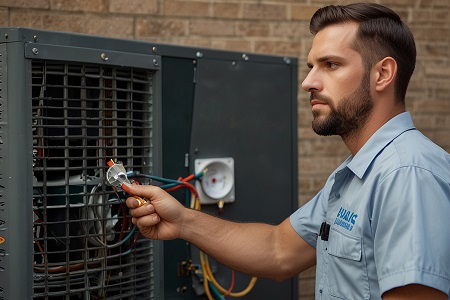
Replacing a central air conditioning system is one of the largest investments a homeowner can make. In a hot climate like Dallas, Texas, where systems run hard for months on end, a typical AC unit lasts between 10 to 15 years.
However, that lifespan isn’t set in stone. With proactive care, you can push your system’s longevity past the 20-year mark, delaying a multi-thousand-dollar replacement and cutting your monthly energy bills by up to 15%.
Here is a practical, step-by-step blueprint to extend the life of your air conditioning system by five or more years.
1. The 30-Day Filter Rule (Your System’s First Line of Defense)
The absolute simplest way to destroy an air conditioner prematurely is to ignore the air filter.
When a filter becomes clogged with dust, pet dander, and debris, it restricts airflow. Your system has to work twice as hard to pull air through the blockage. This places massive mechanical stress on the blower motor and can cause the evaporator coil to freeze over, potentially leading to a catastrophic compressor failure.
-
The Fix: Check your filter every 30 days. If you use standard 1-inch pleated filters, replace them at least every 1 to 3 months. If you have pets or allergies, lean closer to the 30-day mark.
-
Pro Tip: Avoid ultra-high MERV filters unless your system is specifically designed for them. Filters with a MERV rating higher than 11 can restrict airflow just as badly as a dirty filter if your HVAC system doesn’t have the static pressure capacity to handle them.
2. Keep the Outdoor Condenser Unit Clear
The outdoor unit (the condenser) is responsible for releasing the heat trapped inside your home to the outdoors. If the metal fins on the unit are blocked by grass clippings, weeds, leaves, or backyard debris, the heat stays trapped. This forces the compressor to run at dangerously high temperatures, drastically shortening its lifespan.
-
Maintain a 2-foot clearance: Trim back bushes, trees, and tall grass so there is at least 24 inches of open space around all sides of the unit.
-
Clear the top: Ensure there are no low-hanging branches or patio covers directly above the unit that could restrict the upward exhaust air.
-
Annual washdown: Turn off the power to the unit and gently spray the exterior fins with a garden hose once a year to remove built-in dirt and pollen. Never use a pressure washer, as it will bend the delicate aluminum fins.
3. Leverage a Smart Thermostat to Reduce “Short-Cycling”
The most taxing part of an air conditioner’s operation is turning on and off. The initial startup drawing of electricity strains the electrical components and the compressor. When a system turns on and off rapidly—a phenomenon known as short-cycling—wear and tear skyrockets.
-
Install a programmable or smart thermostat: Instead of letting the AC run full blast all day when the house is empty, program it to let the temperature rise by 4 to 5 degrees while you are at work, then cool back down before you arrive.
-
Avoid drastic temperature swings: Don’t crank the thermostat down to 65°F in an attempt to cool the house “faster” (it doesn’t work that way). This simply forces the system to run uninterrupted for hours, overheating components.
4. Schedule Professional Preventive Maintenance Twice a Year
Just like a car requires regular oil changes to reach 200,000 miles, an HVAC system requires professional calibration to cross the 15-year threshold.
A certified technician can spot microscopic issues before they cascade into system-wide failures. For example, replacing a failing $50 capacitor during a routine check prevents that same capacitor from dying and destroying a $3,000 compressor mid-summer.
An annual longevity checklist should always include:
-
Checking and tightening electrical connections.
-
Cleaning the indoor evaporator coil and outdoor condenser coil.
-
Testing refrigerant levels (low refrigerant strains the compressor and indicates a dangerous leak).
-
Clearing the condensate drain line to prevent water backups and mold growth.
5. Improve Your Home’s Thermal Envelope
Sometimes, the best way to save your AC is to give it a break. If your home has poor insulation or leaking windows, your air conditioner is fighting a losing battle against radiant heat, forcing it to log double the operational hours it should.
-
Seal the ducts: Up to 20-30% of the conditioned air moving through a typical home’s ductwork is lost to leaks and poor connections. Sealing these leaks ensures every cubic foot of cold air actually reaches your living space.
-
Upgrade attic insulation: Ensure your attic has adequate insulation (at least R-38 to R-60 depending on your region) to block attic heat from migrating down through your ceilings.
-
Block the sun: Use solar shades, heavy curtains, or window film on south- and west-facing windows to significantly lower the ambient heat load inside the house.
Summary of Lifespan Action Items
| Action Item | Frequency | Impact on System |
| Replace Air Filters | Every 30–90 Days | Prevents airflow restriction and frozen coils. |
| Clear Unit Perimeter | Seasonal | Ensures proper heat dissipation from the compressor. |
| Optimize Thermostat | Continuous | Reduces total runtime and limits short-cycling wear. |
| Professional Tune-Up | Twice per Year | Catches electrical issues before they ruin major motors.
|
Need Local Help in Dallas?
If you have already gone too long without changing your filter and notice your system is short-cycling, making strange noises, or failing to blow cool air, it’s time to bring in the experts before a minor issue turns into a total system failure.
Dallas Residents: If you live in Dallas, TX, you can easily find a reliable, professional HVAC technician to inspect your system, clear out frozen coils, or handle emergency fixes. Find a local expert right away by visiting hvacrepairdallas.online.
A habit as simple as setting a monthly reminder on your phone to check the air filter can mean the difference between a minor maintenance chore and a massive, unexpected repair bill. Keep your air flowing, keep your system breathing, and keep your hard-earned money in your bank account.
Don´t wait until your HVAC needs maintenance or worse it fails, at HVAC Repair Dallas, we provide with the best HVAC Repair Service Providers in Dallas, TX and nearby areas. Find Yours Now
HVAC Repair Dallas
Other Articles That May Interest You:
10 Warning Signs Your Air Conditioner Is About to Fail
How Often Should You Service Your HVAC System in Dallas?
Why is My AC Blowing Hot Air? Posible Causes You Should Be Aware of
The HVAC Maintenance Checklist Every Dallas Homeowner Should Follow
Why Changing Your HVAC System Air Filter Could Save You Thousands in Repairs
The Most Common HVAC Problems Homeowners Ignore




0 Comments