
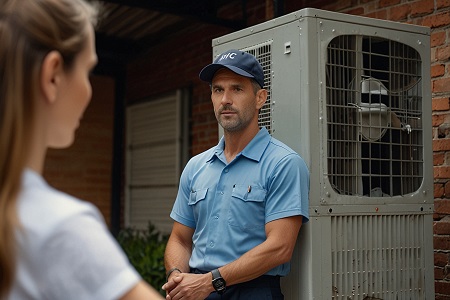
If your air conditioner is running constantly, blowing lukewarm air, or making a strange hissing sound, there is a high probability you are dealing with a refrigerant leak.
Refrigerant is the lifeblood of your HVAC system. It circulates between the indoor and outdoor units, absorbing heat from inside your home and dumping it outside. Unlike the gas in your car, refrigerant isn’t “used up” or consumed by your air conditioner. It operates in a closed loop, meaning the same refrigerant should ideally last for the entire lifespan of the system.
When a leak occurs, it doesn’t just hurt your home’s comfort—it spikes your energy bills and can cause severe damage to your compressor. Here is a look at the primary culprits behind HVAC refrigerant leaks.
1. Formicary Corrosion
Formicary corrosion is one of the leading causes of microscopic refrigerant leaks, particularly in the indoor evaporator coils.
-
How it Happens: This type of corrosion occurs when the copper tubing in your HVAC system reacts with oxygen and volatile organic compounds (VOCs) present in your indoor air. Common household products like cleaning sprays, air fresheners, paints, hairsprays, and even building materials emit these VOCs.
-
The Result: Over time, the chemical reaction etches microscopic, needle-like tunnels into the copper. These holes are often so tiny they are invisible to the naked eye, but they allow refrigerant to slowly hiss out over months or years.
2. Mechanical Wear and Tear (Vibration)
Your air conditioner is a powerful machine with moving parts, primarily the compressor and the outdoor fan.
-
How it Happens: When the system is running, it naturally creates vibrations. If the copper refrigerant lines are pressed too tightly against the metal housing, brackets, or other components, this constant vibration causes friction.
-
The Result: Over years of operation, the metal-on-metal rubbing acts like sandpaper, eventually wearing a hole right through the refrigerant tubing.
3. Weak Joints and Deteriorated Seals
An HVAC system is assembled using various joints, valves, and connections to link the indoor and outdoor units together.
-
How it Happens: Technicians connect copper lines by brazing (a form of high-temperature welding). If a joint was poorly brazed during installation, it may hold temporarily but weaken over time under the stress of shifting temperatures and pressures. Furthermore, the rubber seals and service valves on the outdoor unit naturally dry out, crack, and degrade as they age.
-
The Result: Refrigerant easily escapes through these compromised connection points and weakened seals.
4. Physical and Environmental Damage
The outdoor condenser unit is exposed to the elements 365 days a year, making it vulnerable to external physical damage.
-
How it Happens: Rocks kicked up by a lawnmower, weed whacker accidents, or falling tree branches can dent the aluminum fins and puncture the delicate refrigerant coils inside. Additionally, if you live near the coast, the salt air can accelerate the rusting and pitting of the outdoor coil’s metal components.
-
The Result: Direct punctures cause rapid, immediate refrigerant loss, while environmental pitting leads to a steady, systemic decay of the outdoor coil.
Signs Your HVAC Has a Refrigerant Leak
Because refrigerant is a gas at room temperature, you won’t usually see a puddle of liquid on the floor. Instead, look for these warning signs:
-
The Air Isn’t Cold: The AC is running, but the air coming out of the vents feels lukewarm or room temperature.
-
Hissing or Bubbling Noises: A distinct hissing sound near the indoor or outdoor unit usually indicates gas escaping a high-pressure line. A bubbling sound points to a leak in a section where the refrigerant is still in a liquid state.
-
Frozen Evaporator Coils: When refrigerant levels drop, the pressure in the system drops too. This causes the indoor coil to get entirely too cold, freezing the moisture in the air directly onto the coil.
-
Spiking Utility Bills: Because the system cannot efficiently absorb heat, it will run continuously to try and reach the thermostat setting, consuming massive amounts of electricity.
Why You Can’t Just “Top It Off”
Important Note: Simply adding more refrigerant to a leaking system (often called “topping it off” or “recharging”) is a temporary bandage, not a fix. It is illegal in many jurisdictions to knowingly add refrigerant to a leaking system without attempting to repair it, as refrigerants are potent greenhouse gases.
Furthermore, running a system with low refrigerant starves the compressor of the oil it needs for lubrication, which will eventually burn out the motor—resulting in an incredibly expensive replacement.
If you suspect a leak, the best course of action is to shut down the unit and call a licensed HVAC professional. They have specialized tools, such as electronic leak detectors and ultraviolet dyes, to pinpoint the exact location of the breach, seal it properly, and safely recharge your system to factory specifications.
Need Local Help in Dallas?
If you have already gone too long without changing your filter and notice your system is short-cycling, making strange noises, or failing to blow cool air, it’s time to bring in the experts before a minor issue turns into a total system failure.
Dallas Residents: If you live in Dallas, TX, you can easily find a reliable, professional HVAC technician to inspect your system, clear out frozen coils, or handle emergency fixes. Find a local expert right away by visiting hvacrepairdallas.online.
A habit as simple as setting a monthly reminder on your phone to check the air filter can mean the difference between a minor maintenance chore and a massive, unexpected repair bill. Keep your air flowing, keep your system breathing, and keep your hard-earned money in your bank account.
Don´t wait until your HVAC needs maintenance or worse it fails, at HVAC Repair Dallas, we provide with the best HVAC Repair Service Providers in Dallas, TX and nearby areas. Find Yours Now
HVAC Repair Dallas
Other Articles That May Interest You:
10 Warning Signs Your Air Conditioner Is About to Fail
How Often Should You Service Your HVAC System in Dallas?
Why is My AC Blowing Hot Air? Posible Causes You Should Be Aware of
The HVAC Maintenance Checklist Every Dallas Homeowner Should Follow
Why Changing Your HVAC System Air Filter Could Save You Thousands in Repairs
The Most Common HVAC Problems Homeowners Ignore
How to Extend the Life of Your Air Conditioning System by 5+ Years
DIY HVAC Maintenance Tasks You Can Safely Do Yourself
What Happens If You Skip Annual HVAC Maintenance?
Why Is My Electric Bill So High During Dallas Summer?
15 Ways to Reduce Cooling Costs During a Dallas Heatwave
How Smart Thermostats Can Lower Your HVAC Costs
How to Choose and HVAC Contractor
5 Specific Questions You Must Ask To Your HVAC Contractor
Quick HVAC Maintenance Guide
Is Your Old HVAC System Costing You More Than a New One?
HVAC Energy Efficiency Ratings Explained (SEER, EER & HSPF)
Why Is My AC Running But Not Cooling My House?
Why Does My Air Conditioner Keep Turning On and Off?
What Causes HVAC Refrigerant Leaks?
Why Is My AC Freezing Up in the Middle of Summer?
#hvacrepairdallas
#acrepairdallas
#airconditioningrepairdallas
#dallashvaccompanies
#acrepairdallastx
#hvacrepairtips
#airconditioningrepairdallastx
#dallastxacrepair



0 Comments