
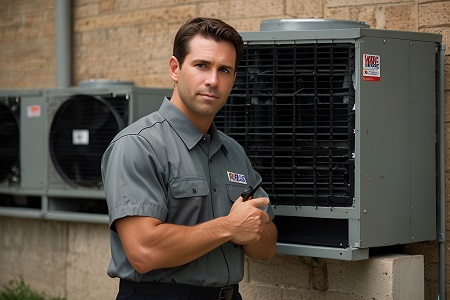
It’s a hot summer day, and you’re looking forward to relaxing in a perfectly cooled home. Instead, you notice a frustrating pattern: your air conditioner kicks on, runs for a couple of minutes, shuts off, and then repeats the cycle a few moments later.
In the HVAC world, this phenomenon is known as short-cycling.
Short-cycling is more than just an annoying background noise. It prevents your home from reaching the desired temperature, spikes your energy bills, and places immense stress on your system’s components. If left unaddressed, it can lead to costly repairs or a premature system failure.
Here is a breakdown of the most common reasons your AC keeps turning on and off, and what you can do to fix it.
1. A Clogged Air Filter
This is the most common—and fortunately, the easiest—cause of short-cycling. Your AC needs a steady stream of airflow to operate correctly. When the air filter is choked with dust, pet dander, and debris, the system has to work twice as hard to pull air in.
-
The Chain Reaction: Restricted airflow causes the temperature inside the system to plummet. This leads to the evaporator coils freezing over. Once the system detects it is freezing or overheating, a safety switch automatically shuts it down. After it warms up slightly, it tries to start again.
-
The Fix: Check your air filter. If it looks gray and clogged, replace it immediately. During peak cooling seasons, filters should be changed every 30 to 90 days.
2. Frozen Evaporator Coils
As mentioned above, restricted airflow can freeze your coils, but low refrigerant levels can do the same. When the coils turn into a block of ice, the AC cannot absorb heat from your home effectively.
-
The Chain Reaction: The ice buildup forces the compressor to work under extreme pressure, triggering the system’s internal pressure switches to shut it off to prevent total motor burnout.
-
The Fix: Turn off the cooling mode and switch your thermostat’s fan setting to “On” to let the ice melt. If the coils freeze again after changing the filter, you likely have a refrigerant leak and will need a professional technician to locate and repair it.
3. Thermostat Misplacement or Malfunction
Your thermostat is the brain of your HVAC system. If it is getting inaccurate readings, it will give the wrong commands to your air conditioner.
-
Location Matters: If your thermostat is installed near a drafty window, in direct sunlight, or right next to an air supply vent, it will experience rapid temperature fluctuations. For example, a blast of cold air from a nearby vent can trick the thermostat into thinking the whole house is cooled, causing it to shut the system off prematurely.
-
The Fix: Ensure your thermostat is located on an interior wall, away from direct sunlight and drafts. Additionally, try replacing the batteries if the display is fading or glitching.
4. An Oversized AC Unit
When it comes to air conditioning, bigger is not always better. If your AC was improperly sized for your square footage when it was installed, it will cool your home too quickly.
-
The Problem: An oversized unit blasts the house with cold air, satisfies the thermostat in a matter of minutes, and shuts down. Because the cycles are so brief, the system never runs long enough to perform its second crucial job: removing humidity from the air. This leaves you with a home that feels clammy and a system that wears out rapidly.
-
The Fix: Unfortunately, the only permanent fix for an oversized system is replacing it with a unit that has been properly calculated for your home’s specific layout and load requirements.
5. Electrical Issues and Failing Controls
Like any complex machine, your AC relies on a network of electrical components to communicate. Over time, wires can fray, connections can loosen, and parts can degrade.
-
The Usual Suspects:
-
Contactor Relays: The contactor is a switch that sends power to the compressor and fan motor. If the electrical contacts are pitted or worn, the connection can break intermittently, causing the system to stutter on and off.
-
Defective Run Capacitors: Capacitors store and release energy to keep the motors running. A failing capacitor can cause the compressor to struggle to stay turned on.
-
-
The Fix: Electrical troubleshooting requires specialized diagnostic tools. Attempting to fix this yourself can be dangerous, so it is best to leave this to a certified HVAC professional.
When to Call a Professional
Pro Tip: If replacing your air filter doesn’t resolve the short-cycling within a few hours, turn the system off at the thermostat and call a licensed technician. Running a short-cycling AC continuously can destroy the compressor—the most expensive component in the system.
A professional HVAC technician can safely test electrical currents, check refrigerant pressures, inspect your ductwork, and ensure your system is running efficiently. Regular annual maintenance is the best way to catch these minor issues before they turn into major mid-summer breakdowns.
Need Local Help in Dallas?
If you have already gone too long without changing your filter and notice your system is short-cycling, making strange noises, or failing to blow cool air, it’s time to bring in the experts before a minor issue turns into a total system failure.
Dallas Residents: If you live in Dallas, TX, you can easily find a reliable, professional HVAC technician to inspect your system, clear out frozen coils, or handle emergency fixes. Find a local expert right away by visiting hvacrepairdallas.online.
A habit as simple as setting a monthly reminder on your phone to check the air filter can mean the difference between a minor maintenance chore and a massive, unexpected repair bill. Keep your air flowing, keep your system breathing, and keep your hard-earned money in your bank account.
Don´t wait until your HVAC needs maintenance or worse it fails, at HVAC Repair Dallas, we provide with the best HVAC Repair Service Providers in Dallas, TX and nearby areas. Find Yours Now
HVAC Repair Dallas
Other Articles That May Interest You:
10 Warning Signs Your Air Conditioner Is About to Fail
How Often Should You Service Your HVAC System in Dallas?
Why is My AC Blowing Hot Air? Posible Causes You Should Be Aware of
The HVAC Maintenance Checklist Every Dallas Homeowner Should Follow
Why Changing Your HVAC System Air Filter Could Save You Thousands in Repairs
The Most Common HVAC Problems Homeowners Ignore
How to Extend the Life of Your Air Conditioning System by 5+ Years
DIY HVAC Maintenance Tasks You Can Safely Do Yourself
What Happens If You Skip Annual HVAC Maintenance?
Why Is My Electric Bill So High During Dallas Summer?
15 Ways to Reduce Cooling Costs During a Dallas Heatwave
How Smart Thermostats Can Lower Your HVAC Costs
How to Choose and HVAC Contractor
5 Specific Questions You Must Ask To Your HVAC Contractor
Quick HVAC Maintenance Guide
Is Your Old HVAC System Costing You More Than a New One?
HVAC Energy Efficiency Ratings Explained (SEER, EER & HSPF)
Why Is My AC Running But Not Cooling My House?
Why Does My Air Conditioner Keep Turning On and Off?
What Causes HVAC Refrigerant Leaks?
Why Is My AC Freezing Up in the Middle of Summer?
#hvacrepairdallas
#acrepairdallas
#airconditioningrepairdallas
#dallashvaccompanies
#acrepairdallastx
#hvacrepairtips
#airconditioningrepairdallastx
#dallastxacrepair




0 Comments